
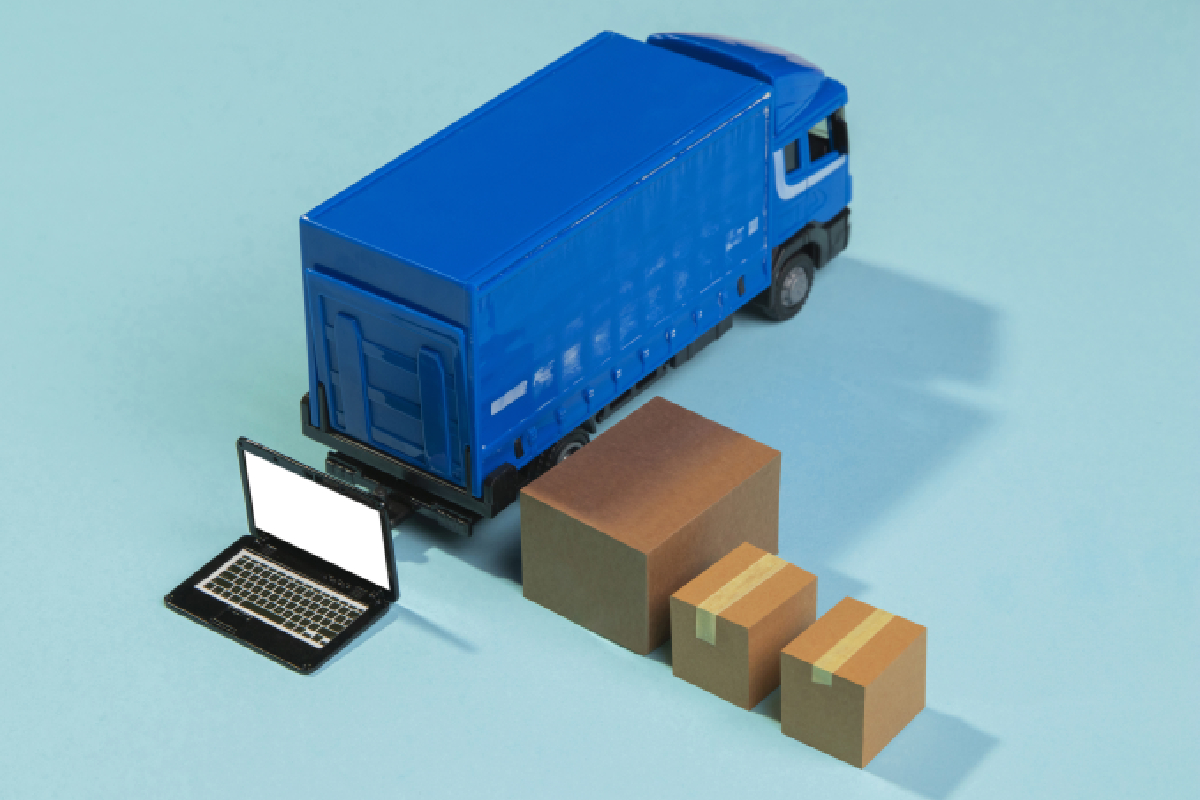
Choosing the right software infrastructure in e-commerce logistics
Logistics software makes it possible to digitally monitor and manage the entire process. In particular, the software infrastructure plays a vital role in keeping the stages from order to delivery under control. E-commerce logistics within this scope, thanks to a properly integrated software system, both data tracking is carried out and errors are prevented. For orders to be automatically sorted in the system, routes to be determined and stock information to be kept up to date, all modules must work in harmony with one another. Logistics companies should prioritize elements such as speed, security and reporting in their software choices. The stronger the software, the more efficient the delivery process becomes. Thanks to this infrastructure, logistics companies can offer uninterrupted service to customers.Using technological solutions in warehouse management
Warehouses, the center of logistics operations, must be well structured for processes to proceed healthily. Operations such as placing, picking and shipping products must be completed quickly. Remaining dependent on human labor in warehouses causes loss of time and errors. For this reason, automation systems should be integrated by using technological solutions. Barcode readers, shelf tracking systems and sensor technologies organize warehouse operations. E-commerce logistics automating warehouse processes in their services enables companies to operate efficiently even with large-volume orders. Recording product movements within the warehouse facilitates inventory control. Thus, an advantage is gained in terms of both time and cost. Supporting warehouses with technological infrastructures forms the foundation of the logistics system.The importance of route planning in corporate transportation
Corporate transportation route planning is of great importance to use time effectively in their processes. Vehicles moving on random routes increases fuel consumption and prolongs delivery time. This reflects on both the company as a cost and the customer as a loss of time. For this reason, the points each vehicle will deliver to should be analyzed in advance and the shortest and least congested routes should be determined. Logistics companies should support these analyses with artificial intelligence and geographic information systems. Thanks to route optimization, vehicles consume less fuel and complete more deliveries. This increases competitiveness. Especially for companies delivering in large cities, this planning step directly affects service quality. Logistics success cannot be expected without route planning.
Ensuring system integrity through data integration
One of the most sensitive points of logistics processes is data integration. Different systems not working in sync with each other causes lack of information and the occurrence of errors. Problems such as orders being processed incorrectly and cargo being misrouted generally arise in structures where data integrity cannot be ensured. Corporate logistics in their systems, all software should be installed in an integrated manner by taking these risks into consideration. Establishing a direct connection between e-commerce platforms and logistics software ensures seamless data flow. Thus, stock, order and delivery processes can all be managed simultaneously. Thanks to data integration, the process becomes more transparent and traceable. This facilitates the prevention of errors and increases customer satisfaction.Vehicle fleet planning for e-commerce logistics
E-commerce logistics having a sufficient and properly structured vehicle fleet is necessary for deliveries to be made on time in their processes. A low number of vehicles can cause delays during peak periods. Likewise, unsuitable vehicle capacity also increases transportation costs. For this reason, planning should be done by taking into account the transport volume, fuel consumption and route suitability of the vehicles. Fleets that can be flexibly increased according to delivery density ensure operational success. Vehicle maintenance should be carried out regularly and monitored with technological tracking systems. Thus, both drivers and shipments reach their destination safely. Strong fleet management of logistics companies is one of the most important building blocks of customer satisfaction.
Logistics team and personnel training
In logistics processes, not only the technological infrastructure but also the quality of human resources is of great importance. The operations team must use the systems correctly, communicate effectively with customers, and make the right decisions in moments of crisis. If personnel are untrained or inadequate, the efficiency of technological systems decreases. Corporate transportation Companies operating in the field should offer regular training programs to their employees. Through these trainings, personnel adapt to new systems and the error rate in processes decreases. In addition, employees who have direct contact with customers must have strong representational skills. Companies that work with trained teams achieve operational efficiency and customer satisfaction at the same time. A successful logistics infrastructure can only become sustainable with the right human resources.Conclusion
A strong e-commerce logistics To establish its infrastructure, not only technological systems but also human resources, planning, software and operational processes must work in an integrated manner. E-commerce logistics and corporate relocation solutions are of vital importance to ensure this integrity. Route planning, data integration, warehouse management, vehicle fleet and trained personnel form the cornerstones of the logistics system. The strength of each element increases overall performance and takes customer satisfaction to the highest level. Logistics processes are not limited to transporting products only. They also represent the brand's reliability, reputation and competitive power. For this reason, infrastructure planning must be done professionally and continuously improved.Frequently Asked Questions
- What is the first step in e-commerce logistics infrastructure?
- It is the installation and integration of software systems.
- Why is warehouse management so important?
- It ensures that products are shipped quickly and without errors.
- What is the difference between corporate logistics and individual logistics?
- Corporate logistics operates in a more planned way and with higher volume.
- How should route planning be done?
- It should be prepared by analyzing traffic, distance and density.
- What problems does data integration prevent?
- It prevents erroneous orders, excess stock and incorrect delivery problems.
- Which businesses is corporate transportation suitable for?
- It is suitable for companies with large-scale shipment volume.
- How should the vehicle fleet be structured?
- It should be flexible and have different capacities according to delivery volume.
- Why is personnel training necessary?
- It is necessary for operational processes to run without errors.
- Do tracking systems increase customer satisfaction?
- Yes, as processes become more transparent, the sense of trust also increases.
- How does logistics infrastructure become sustainable?
- It becomes sustainable through continuous updating, analysis and training.