
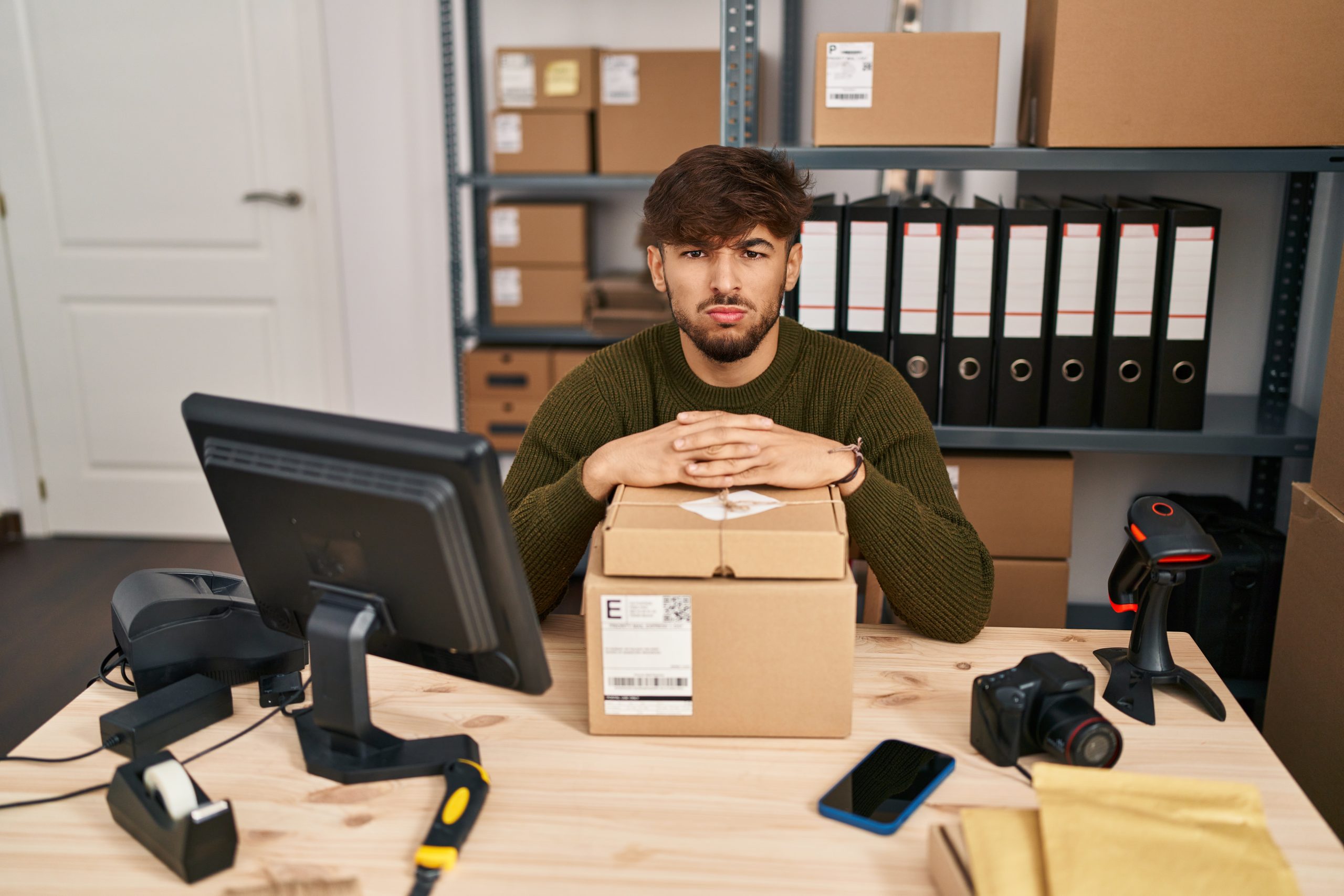
The Operational Heart of the Digital Age: Supply Chain Management
For an e-commerce business, logistics is not just about handing a package over to a courier company. This process covers the entire chain of interconnected links such as procurement, warehousing, stock tracking, packaging and distribution. A successful inventory managementminimizes the risk of "stockouts" while reducing inventory costs. The order in your warehouse directly affects the speed at which orders are prepared, and this, at the end of the day, customer satisfaction comes back to you as such.
Unlike traditional retail, in online commerce the physical point of contact is the moment the product is delivered. For this reason, packaging quality and the unboxing experience have become part of marketing. Your product arriving intact and aesthetically is one of the shortest paths to building brand loyalty . Remember, the more efficient your logistics operation, the higher your profitability will be.
The Unbreakable Bond Between E-Commerce Logistics and Customer Experience
Delivery speed and reliability are among the top reasons customers choose a brand again. Research shows that a large portion of customers who experience delivery problems do not shop from the same site again. At this point, e-commerce logistics, it lies at the very heart of the customer experience. Meeting the delivery time promised to the customer is at least as critical as product quality.
Transparency is the most important factor in strengthening this bond. After placing an order, the customer wants to track where their shipment is in real time. Advanced tracking systems and proactive notifications (SMS, E-mail) relieve the customer's worry and a sense of trust create. A seamless logistics process increases the customer's loyalty to your brand, while a negative experience can turn into a reputational loss that spreads rapidly on social media.
The Power of Technology and Automation
Managing logistics processes with manual methods can become unmanageable as order volumes increase. Warehouse Management Systems (WMS) and Enterprise Resource Planning (ERP) software come into play at this point and minimize human error. Thanks to automation technologies, the process from the moment an order is placed to the moment it is handed over to the courier is managed with maximum efficiency .
Using technology not only speeds things up but also provides data analytics capabilities. By analyzing which regions you receive more orders from, which products sell out faster, or return rates, you can make strategic decisions . AI-powered route optimizations and inventory forecasting tools reduce your costs while increasing your operational capability.
Challenges Encountered in E-Commerce Logistics Processes and Reverse Logistics
By the nature of e-commerce, product returns are as much a part of the business as product sales. Managing return processes, referred to in the industry as "Reverse Logistics," is the biggest headache for most businesses. However, offering an easy and free return policy emerges as a critical factor that positively influences the purchase decision. If customers know they can return a product without hassle when they don't like it, they act more boldly when buying.
E-commerce logistics Another challenge encountered in operations is the fluctuating nature of demand. During campaign periods such as "Black Friday" or "New Year's," order volumes increase exponentially. Having a scalable logistics infrastructure during these periods is of vital importance. Working with flexible workforce planning and strong shipping partners helps prevent operational crises that may occur during peak periods.
The Trend of the Future: Sustainability and Green Logistics
Consumers now care not only about what they buy but also about the impact of the product they buy on the world. Logistics moves aimed at reducing the carbon footprint have become one of the reasons brands are preferred. The use of recyclable packaging, delivery with electric vehicles, and optimized routes bring forward brands that demonstrate an environmentally friendly approach .
In the future, logistics will cease to be merely a transportation job and will revolve entirely around technology and sustainability. Drone deliveries, autonomous vehicles, and micro-distribution centers will reduce delivery times to minutes. Companies that adapt to this transformation now and modernize their logistics processes will rise to a leading position in the world of commerce of the future.
Conclusion
In summary, to run a successful online commerce operation, your operational strength behind the scenes is as important as the quality of your website. E-commerce logisticsis not just a cost item; on the contrary, when managed correctly, it is the strongest competitive advantage that sets you apart from your competitors. Brands that put technology and customer satisfaction at the center of every stage—from storage to packaging, from fast delivery to returns management—will achieve lasting success in the digital world. If you want to grow your business, you must continuously improve and optimize your logistics processes.
Frequently Asked Questions
What is e-commerce logistics?
It is the entire operational process covering the storage, packaging, shipping, and delivery to the customer of products sold through e-commerce sites.
Why is reverse logistics important?
Managing customer returns efficiently increases customer satisfaction and prevents cost loss by ensuring that returned products are reintroduced into inventory.
How does logistics work in the dropshipping model?
In the dropshipping model, inventory holding and shipping are not carried out by the seller; the supplier ships directly to the customer, and the seller is not physically involved in the logistics process.
Which is the best e-commerce shipping integration?
The "best" integration depends on the e-commerce infrastructure you use (WooCommerce, Shopify, Ticimax, etc.) and your operating volume; however, software offering automatic barcode creation and tracking features should be preferred.
How can shipping costs be reduced?
Costs can be reduced by making volume-based agreements with shipping companies, optimizing packaging dimensions (reducing desi), and ensuring correct warehouse placement.
What is desi and how is it calculated?
Desi is the volumetric weight of the shipment. The calculation formula is: (Width x Length x Height) / 3000 (dimensions in cm).
What is 3PL (Third-Party Logistics)?
It is when an e-commerce company delegates all or part of its logistics processes, such as storage and distribution, to an expert external company.
Does same-day delivery service increase sales?
Yes, speed is very important especially for consumers living in large cities, and the same-day delivery option significantly reduces cart abandonment rates.
How can the packaging (fulfillment) process be improved?
Using barcode readers to ensure the right product goes into the right box, designing packing stations ergonomically, and standardizing packaging materials increase speed.
Why is logistics tracking important for the customer?
Customers do not like uncertainty. Knowing where the shipment is gives customers confidence, reduces the workload of your call center, and builds brand loyalty.