
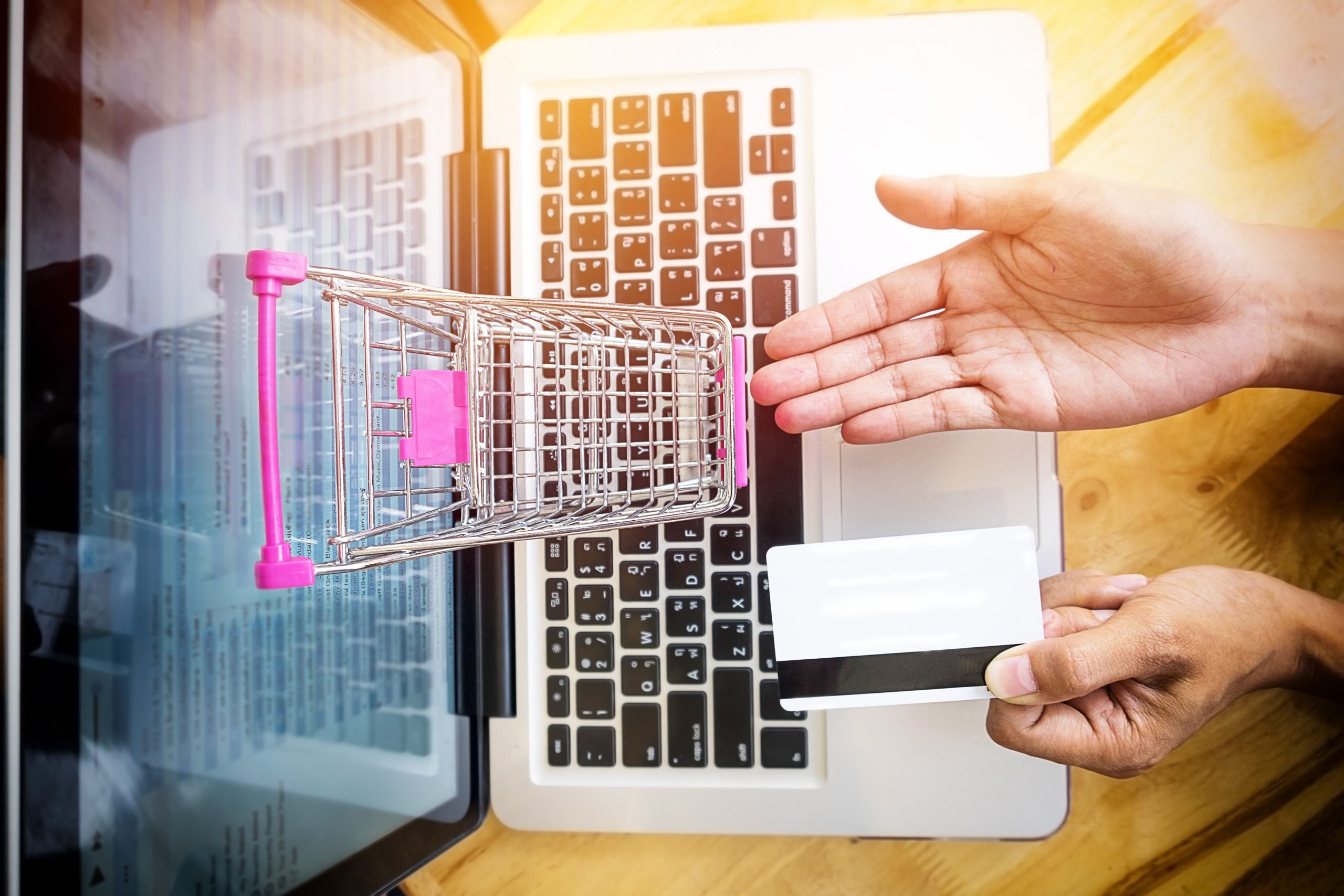
Achieving Excellence in E-Commerce Logistics Processes
For an online store, logistics is not just about handing a package over to a courier. This concept is a vast organization that covers supply chain management, inventory tracking, warehousing, packaging, labeling and the final delivery stages. A successful e-commerce logistics process begins with ensuring that the right product is in the right place at the right time. Keeping your inventory up to date eliminates the risk of "overselling" while also minimizing the chance of sending the wrong product to the customer.
Your warehouse layout and order picking speed directly affect the time it takes to ship. A disorganized and unsystematic warehouse will increase your operational costs and also reduce your employees' productivity. Therefore, when categorizing your products, you should develop smart warehouse strategies such as placing your best sellers in the most easily accessible locations. Remember that every minute gained in logistics will be recorded as a plus in the customer satisfaction column.
The Key to Customer Loyalty: Speed and Transparency
The biggest concern for consumers in online shopping is uncertainty. Questions such as "Where is my package?" and "When will it arrive?" are the most common questions customer service departments encounter. The way to eliminate this concern is transparent and traceable process management. Informing your customer at every stage of the order (preparing, shipped, out for delivery) reinforces the sense of trust in your brand. sense of trust reinforces.
The speed factor is another golden rule that determines loyalty. Today, options such as "same-day delivery" or "at your door the next day" directly influence consumers' purchasing decisions. If your logistics infrastructure cannot keep up with this speed, you may easily lose potential customers to competitors who deliver faster. A fast and transparent delivery process turns one-time customers into loyal brand ambassadors is the most effective way to convert.
E-Commerce Logistics and Technology Integration
As your operations grow, managing orders with manual methods becomes impossible. At this point, leveraging the power of technology is inevitable. Advanced warehouse management systems (WMS) and cargo integration software are designed to reduce human error to zero. Thanks to automation, the process from printing the cargo barcode the moment an order is placed to deducting it from stock maximum efficiency works with.
Using technology not only speeds up operations but also provides you with highly valuable data. Which regions do you sell to the most? Which shipping company performs better? Which products have the highest return rates? By analyzing this data, e-commerce logistics you can update your strategies based on data and optimize your costs.
Returns Management and Reverse Logistics
By the nature of e-commerce, product returns are as much a part of the business as product sales. Although many businesses see return processes as a burden, this process is actually an opportunity to win customer satisfaction. In this process, called "reverse logistics," the easy return optionyou offer to the customer removes barriers to the purchase decision. When consumers know they can return a product they do not like without any problems, they feel safer when shopping.
The process of receiving returned products into the warehouse, inspecting them, and making them available for sale again must be as fast as sales. If you cannot establish this cycle well, "dead stock" begins to accumulate in your warehouse and your capital remains idle. Companies that manage return processes transparently and quickly draw a professional and reliable image in the eyes of the customer.
Packaging and Shipping Strategies to Reduce Costs
Logistics costs are one of the expense items that most affect the profitability of an e-commerce business. The way to keep these costs under control is through smart packaging strategies. Using boxes that are not suitable for the product's size and are larger than necessary causes you to pay the shipping company for "air transport." By optimizing desi (volumetric weight), it is possible to significantly reduce your shipping costs.
In addition, the packaging quality at the moment your product reaches the customer is part of marketing. The "unboxing" experience is the first moment the customer makes physical contact with your brand. Sturdy, aesthetic, and eco-friendly packaging makes customers feel special. A packaging strategy that both reduces costs and enhances the customer experience is, in the long term, a profitable investment in e-commerce.
Conclusion
In summary, every business that wants to survive and grow in the e-commerce world must give the necessary importance to its logistics processes. E-commerce logistics, it is not just the movement of a product from one place to another, but the most concrete form of the relationship your brand establishes with the customer. By strengthening your technological infrastructure, facilitating return processes and increasing your delivery speed, you can solidify your place in the digital market. Remember, a happy customer is the best marketing strategy, and the path to this happiness passes through a flawless logistics experience.
Frequently Asked Questions
What is e-commerce logistics?
It is the whole of all operational processes covering the storage, packaging, transportation and delivery to the customer of products sold through online channels.
What does reverse logistics mean?
In the event that the customer returns the product, it is the return management process covering the collection of the product from the customer, bringing it back to the warehouse, checking it and including it in the process.
What is desi and why is it important?
Desi is the volumetric weight of the cargo package. Since cargo prices are generally calculated over desi, reducing desi through correct packaging reduces cargo costs.
What is 3PL (Third-Party Logistics)?
It is the transfer of the logistics operations of an e-commerce company, such as storage, packaging and shipping, to an expert external company (logistics company) instead of carrying them out in-house.
How does logistics work in the dropshipping model?
In this model, the seller does not hold stock. When an order comes in, it forwards it to the supplier, and the supplier ships the product directly to the customer. Logistics responsibility lies with the supplier.
Is it mandatory to use cargo integration?
It is not mandatory, but when the number of orders increases, manual processing leads to errors. Integration saves a great deal of time by automating barcode creation and tracking processes.
Does same-day delivery increase sales?
It absolutely does. Most consumers prefer sites that offer a fast delivery option and may be willing to pay an extra fee for this service for their urgent needs.
What is the most common mistake in e-commerce logistics?
Selling a product that is not in stock as a result of not tracking stock in real time, and the product arriving damaged due to incorrect packaging, are the most frequently encountered mistakes.
Why is the choice of packaging material important?
The right material protects the product and prevents damage. In addition, using a box larger than necessary increases the cargo cost (desi), so a box suitable for the product should be chosen.
Why is it necessary to share the order tracking number?
It relieves the customer's worry, provides trust and lightens the call load coming to customer service due to "Where is my cargo?" questions.