
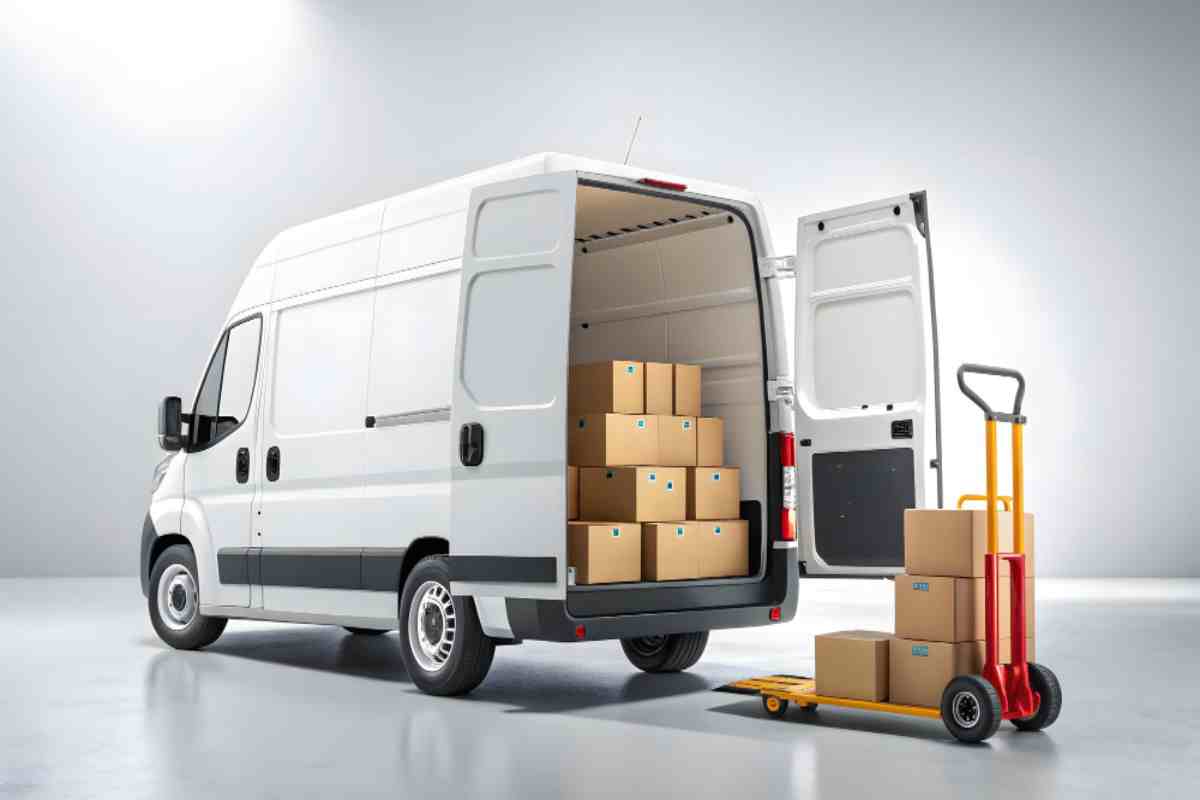
E-Commerce Logistics and Changing Dynamics
E-Commerce Logistics have become indispensable for businesses to compete in the digital world because customer expectations are constantly changing. Today, consumers want to purchase their products with fast, reliable and flexible delivery options. These expectations force businesses to reconsider their processes. In particular, urban distribution networks and same-day delivery practices are among the prominent solutions in logistics. Adapting to these changing dynamics increases profitability while also strengthening customer loyalty. In addition, with the impact of digital transformation, real-time tracking, data analytics and AI-supported planning systems are at the center of logistics processes. Companies that cannot keep up with change lose their competitive advantage. Therefore, it is of great importance for businesses to keep their logistics strategies continuously up to date.
New Approaches in Supply Chain
supply chain management has become more complex than ever because global markets and increasing customer demands make processes more difficult. Having products available at the right time and in the right place is one of the critical factors determining customer satisfaction. Businesses increase efficiency by using digital tools in inventory planning. Software that performs demand forecasting ensures that products are managed correctly even during peak periods. In addition, establishing strong supplier relationships and transparent collaboration are of great importance for the continuity of operations. During crisis periods, producing fast solutions data sharing at every stage of the chain has become critical. Businesses that provide flexibility in the supply chain become more resilient to fluctuations while also improving the customer experience. Therefore, the modern approach brings planning and technology integration to the forefront.
Digitalization in Warehouse Management
Warehouse management is one of the most important steps of logistics processes because preparing orders correctly and delivering them on time depend directly on this stage. Modern warehouse systems not only ensure that products are stored in an orderly manner but also accelerate order picking processes. Thanks to barcode and software integration, the rate of erroneous shipments decreases and customer satisfaction increases. AI-supported automation systems makes the workforce within the warehouse more efficient and provides a cost advantage to businesses. A clear warehouse layout and clear distribution of tasks among employees make it possible for processes to progress faster. In addition, the efficiency of warehouse management during peak order periods helps companies gain competitive advantage. Businesses that invest in digitalization in warehouses both increase their operational strength and make the customer experience higher quality. Therefore, warehouse management plays a critical role in logistics.
The Role of Logistics in Customer Experience
One of the most important factors determining customer satisfaction is the timely and reliable delivery of the order because this experience directly affects trust in the brand. When a customer receives their order quickly and intact their loyalty to the business increases. Conversely, delays and damaged deliveries lead to negative reviews and damage the brand image. Transparent information sharing enables the customer to track every stage of the order, which increases trust. In addition, facilitating return processes further improves the customer experience. When businesses plan their logistics processes with a customer focus, they gain a strong advantage without additional cost to marketing activities. Therefore, logistics is not only an operational process but also a strategic tool that increases customer loyalty. Customer-centric approaches play a critical role in the long-term success of brands.Digital Technologies and E-Commerce Logistics
Digital technologies is revolutionizing the field of logistics because real-time tracking, route optimization and data analytics make processes faster. E-Commerce Logistics The systems used within its scope ensure that orders reach the customer transparently. Thanks to big data analytics, demand forecasts can be made during peak periods and inventory planning can be carried out more accurately. AI-supported software accelerates warehouse processes and reduces error rates. In addition, vehicle tracking systems determine the most suitable route by taking traffic density into account and shorten delivery times. Digital technologies not only reduce costs but also increase customer satisfaction. Businesses that invest in technology gain a competitive advantage and become ready for the future. For this reason, digital transformation stands out as an inevitable necessity in logistics.
Sustainability and Future Strategies
Sustainable logistics approaches provide both environmental and economic advantages for businesses because energy-saving practices reduce costs. The use of electric vehicles lowers carbon emissions and contributes positively to brand image. Using recyclable packaging benefits nature while attracting the interest of conscious consumers. Innovative delivery models also hold an important place among the strategies of the future. Scheduled delivery, door-to-door service and flexible delivery options offer convenience to customers. When businesses adopt sustainable and innovative solutions, they make a difference in the industry. These solutions improve the customer experience while also providing operational efficiency. Future strategies for logistics create new opportunities for global cooperation by increasing environmental awareness. Thus, businesses both increase their profitability and assume a responsibility that adds value to society.
Conclusion
E-Commerce Logistics trends are one of the most important areas shaping the future strategies of businesses. Changing customer expectations, the development of digital technologies and sustainable solutions play a decisive role in the transformation of logistics. By following these trends and adapting their strategies, businesses gain a competitive advantage. Properly planned logistics processes reduce costs, customer satisfaction increase it and strengthen brand loyalty. As a result, logistics has become not only an operational activity but also a strategic element that determines the future of businesses. For this reason, it is inevitable for companies to continuously improve their logistics investments and adopt innovative solutions. Businesses that correctly implement future strategies achieve lasting success in the industry.
Frequently Asked Questions
What is E-Commerce Logistics
These are all operational processes that ensure products reach the customer from the warehouse.
Why is it important
It increases customer satisfaction and gives businesses a competitive advantage.
How does the supply chain become efficient
Efficiency is achieved through digital tools and strong collaboration.
What does digitalization provide in warehouse management
It reduces errors and accelerates order processes.
What is its effect on customer experience
Timely and intact deliveries reinforce trust.
How do digital technologies transform logistics
Real-time tracking and route optimization make processes more efficient.
What is the advantage of sustainable logistics
It reduces costs and provides an eco-friendly image.
What are innovative delivery models
Scheduled delivery and flexible options provide customer convenience.
What should be the focus in future strategies
Digitalization, sustainability and customer-focused solutions are priorities.
How is a competitive advantage gained
It is achieved through technology investments and innovative logistics solutions.