
Customer Expectations and the Need for Trust
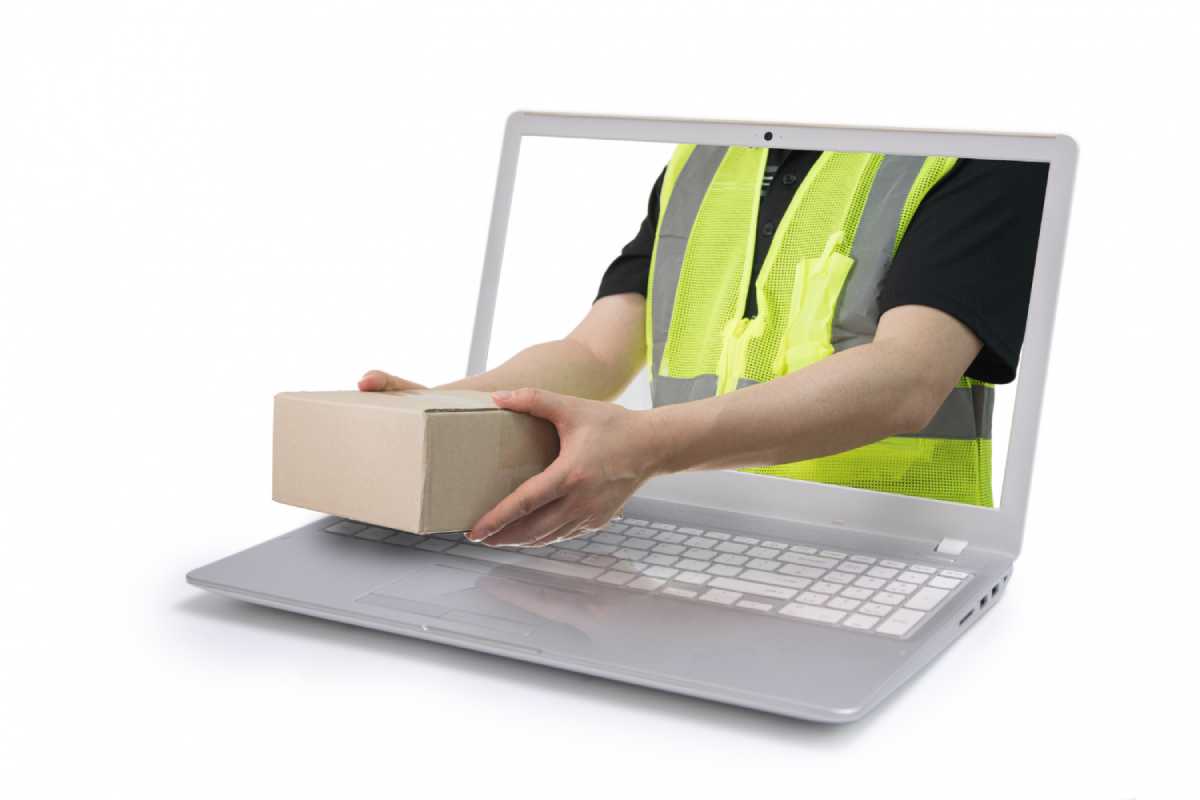
One of the most critical factors in e-commerce logistics is customer expectationsOnline shoppers want their orders to reach them quickly and safely. At this point, not only fast delivery but also the need for trust comes to the fore. The customer expects the order to be delivered correctly, undamaged and on time. When this balance is established, businesses increase customer loyalty and gain a competitive advantage. Transparency in logistics processes is very important to ensure customer satisfaction. Sharing information instantly about which stage the order is at increases trust. In addition, timely notifications keep communication with the customer strong even in the event of a delay.Fast Delivery and Operational Challenges
In e-commerce logistics, fast delivery is a great advantage for businesses. However, this advantage brings some challenges with it. Operations becoming congested, intensive use of vehicles and overloading of distribution teams can reduce the quality of the process. To prevent this, operational planning must be done and deliveries must be managed through smart software. In addition, while aiming for fast delivery, no compromise should be made on packaging quality or safety measures. Preparing each order safely both improves the customer experience and reduces return rates. In this way, the business can establish the right balance between speed and trust.Use of Technology and Route Optimization
In logistics, use of technologyplays a critical role in ensuring the balance of speed and trust. Managing orders through automated systems minimizes the margin of error. In addition, thanks to geographic tracking and smart notification systems, customers can track every stage of their orders. When combined with route optimization , this shortens delivery time and increases customer satisfaction. Route planning should be carried out by taking factors such as traffic density, delivery addresses and order density into consideration. Thus, both fuel costs decrease and deliveries are completed in a shorter time. These advantages provided by technology ensure that logistics processes proceed more efficiently and safely.Packaging Quality and Product Safety
One of the greatest expectations of customers in e-commerce is that orders arrive intact. Packaging quality is of vital importance at this point. Inadequate packaging causes the product to be damaged in transit and negatively affects customer satisfaction. Therefore, different packaging methods should be applied depending on the product type. In addition, standards should be set for product safety and employees should act in accordance with these standards. Special protective materials should be used for fragile products, and leak-proof packaging should be used for liquid products. Labeling each package and checking it before dispatch helps deliveries proceed smoothly by ensuring safety without compromising speed.Customer Communication and Transparent Information
Alongside fast delivery, customer communication it is also of great importance in logistics processes. If the customer is not regularly informed about the status of the order, a loss of trust may occur. Therefore, automatic notifications should be sent at the moments when the order is shipped, handed over to the distribution team and delivered to the customer. Such transparent information methods strengthen the bond between the customer and the brand. In addition, involving the customer service department in the process ensures that quick solutions are offered in possible problems. Providing fast responses to the customer in cases such as delays, address changes or delivery errors contributes to preserving trust.Staff Training and Work Discipline
The success of logistics processes is largely related to staff training and work discipline It is related to. All personnel, from the distribution team to the warehouse employee, must be familiar with the processes. Through training, employees learn both speed and trust standards. Thus, deliveries take place smoothly and the customer experience is strengthened. Establishing work discipline ensures that operations proceed in an orderly manner. Employees paying attention to time management, complying with procedures and fulfilling their responsibilities help maintain the balance between speed and trust. Trained and disciplined personnel are the greatest assurance of logistics processes.Conclusion
Speed and trust in e-commerce logistics maintaining balance is critical to increasing customer satisfaction. While fast delivery is aimed for, security should not be compromised; elements such as packaging quality, customer communication and staff training should be at the center of the process. Through the use of technology and operational planning, businesses can make both fast and secure deliveries. When this balance is achieved, brand loyalty is strengthened and long-term success is attained.
Frequently Asked Questions
Why is speed important in e-commerce logistics?
Fast delivery increases customer satisfaction and provides a competitive advantage.
What does secure delivery mean?
It means delivering the product to the customer undamaged, correctly and on time.
How does route optimization contribute?
It shortens delivery time and reduces fuel costs.
Why is packaging a critical element?
It ensures product safety and reduces return rates.
Why is customer communication important?
Transparent information increases trust and minimizes problems.
How does staff training affect logistics?
It reduces the error rate, increases work discipline and provides efficiency.
Does fast delivery reduce trust?
With proper planning, both speed and trust can be achieved together.
How is technology used in logistics?
It is used in tracking systems, route planning and automation processes.
Is it difficult to achieve the balance between speed and trust?
This balance can easily be achieved with planning, training and technology.
What does it bring to the business when the balance is achieved?
It provides customer loyalty, low cost and long-term success.