
E-Commerce Logistics
In today's world of digital commerce, a brand's success is measured directly not only by the quality of the product it offers but also by the process through which that product reaches the consumer. At this point E-Commerce Logistics, it is a vast ecosystem encompassing all the operational links from the moment the order is placed to the moment the doorbell rings. Removing products from the warehouse, sorting them correctly and loading them safely onto the transport vehicle constitute the cornerstones of a professional E-Commerce Logistics management. If there is a disruption in this process, no matter how flawless the product is, customer satisfaction can suffer a wound that is hard to repair. Logistics is not only a physical act of transport but also data and time management. Thanks to smart warehouse systems and advanced software E-Commerce Logistics, it now allows us to track where each package is within seconds. Modern logistics approaches see packaging not merely as a layer of protection but as part of operational speed and cost efficiency. Logistics processes optimized with the right packaging techniques both reduce return rates and increase the brand's operational agility, enabling it to stand out in the global competitive environment.The Brand's First Physical Touchpoint: Packaging
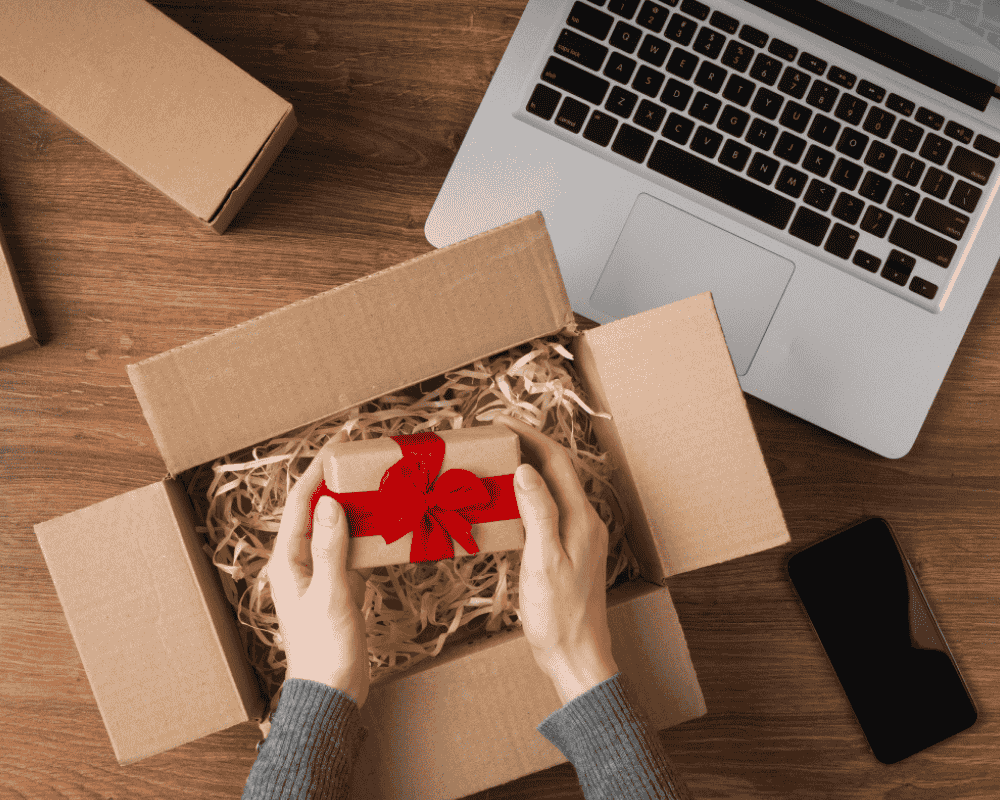
For e-commerce businesses, packaging is the first physical point of contact the customer establishes with the brand. The atmosphere felt when shopping in a store is provided in e-commerce by package design and texture. A high-quality, carefully crafted box that reflects the brand's values is the most concrete indication of the importance given to the customer. Packaging is not just a shipping box; it is your brand's ambassador. Using an aesthetic and sturdy box bearing the brand's logo instead of an ordinary plastic bag builds a reliable and professional image in the consumer's mind. Especially for brands serving in the boutique or luxury segment, packaging is regarded as part of the product. A sheet of fine tissue paper, a brand-specific seal or a special scent enables the customer to form an emotional bond with the product they have purchased. This physical experience offered by packaging breaks the coldness of the digital environment and humanizes the brand. The excitement your customer feels when receiving their parcel is directly proportional to the quality of the packaging, and this feeling forms the foundation of loyalty to the brand.The Unboxing Experience: Marketing Power in the Age of Social Media
"Unboxing", the act of opening a box, has now ceased to be merely an act of opening a package and has turned into a global content trend. Consumers record the experience they have when opening the products they buy for the first time and share it on social media platforms, creating a natural advertising space for brands. Brands that offer an impressive unboxing experience turn their customers into brand advocates. A small thank-you note, a personalized message or an elegant arrangement inside the box multiplies the chances of that post going viral. A perfect unboxing experience is built on the surprise factor. A layered packaging system enables the customer to discover a new detail at every step. This process raises the perceived value of the product and makes the customer feel special. In an era where social media interactions are this high, investing in the unboxing experience can yield far more organic and effective results than traditional advertising spending. Keeping in mind that every package is potential video content is part of modern marketing strategies.Logistics Efficiency and Safety: Protective Packaging
As much as the aesthetic aspect of packaging, its functionality in logistics processes is also of vital importance. Protecting the product against external factors such as impacts, shocks or moisture that it may be exposed to from the moment it leaves the warehouse until it reaches the customer is the primary priority. Protective packaging materials (air pillows, kraft paper, corner protectors) ensure that the product is delivered undamaged. A damaged product delivery not only creates return costs but can also completely destroy the customer's trust in the brand. Moreover, packaging has a direct effect on the "desi", that is, volumetric weight, which determines shipping costs. Using a box larger than necessary both increases shipping fees and raises the risk of the product being damaged by moving around inside the box. For logistics efficiency, the box most suitable for the product's dimensions must be selected and the empty spaces filled with the right materials. This balance between safety and efficiency is one of the most important areas of expertise in professional logistics management.Sustainability: Eco-Friendly Packaging Solutions
With the growth of a conscious consumer base, sustainability in packaging has become a necessity rather than a choice. Customers who are aware of the harm plastic waste causes to the environment show greater loyalty to brands that prefer recyclable, compostable or reusable packaging solutions. Kraft cardboard, cornstarch-based void fill materials and plastic-free tapes are strong messages that reflect your brand's environmental vision. Sustainable packaging not only protects nature but also reinforces the brand's image as a "responsible business." Avoiding overpackaging, that is, adopting a "minimalist packaging" approach, both reduces material costs and prevents unnecessary waste. When customers see materials they can confidently toss into the recycling bin after opening the package, their respect for the brand's ethical values increases. Green logistics practices are at the center of the e-commerce standards of the future.The Role of Packaging in Return Processes
In return processes, an inevitable part of e-commerce, the design of the original packaging provides operational convenience. Boxes that are easy to open yet can also be securely re-sealed allow the customer to complete the return process effortlessly. The returned product arriving back at the warehouse intact is critical for that product to be offered for sale again. If the packaging is not suitable for returns, the product may be damaged on its way back, and this turns into a complete loss item for the business. Providing the customer with a return label or including a simple guide in the box explaining the return process improves the post-purchase experience. Customers who go through a smooth return process have a very high rate of shopping from that brand again. Packaging design should give the customer the message "If you don't like it, we won't make it hard for you." A packaging structure that facilitates return management optimizes logistics costs while completing the customer satisfaction loop. In conclusion, in the world of e-commerce, the packaging and unboxing experience is not just a shipping stage but an integrated brand and logistics strategy. The right packaging ensures product safety while reducing shipping costs; an aesthetic and carefully designed unboxing process creates an emotional bond that ties the customer to the brand. A packaging vision blended with sustainability and operational convenience takes the efficiency of e-commerce logistics to its peak. It should not be forgotten that in the digital world, your product's first handshake happens through your package; the quality of this moment is one of the strongest elements shaping your brand's future.Frequently Asked Questions
What is desi and how is it related to packaging?
Desi is the volumetric weight of a shipment; the larger the box dimensions, the higher the desi and therefore the shipping cost.
Does the unboxing experience really increase sales?
Yes, social media posts by customers who have a positive experience provide free advertising and trigger new sales by increasing brand trust.
Which packaging material is more eco-friendly?
Recycled papers, biodegradable cornstarch void fill and plant-based inks are the most eco-friendly options.
What type of void fill material should be chosen to prevent product damage?
Depending on the product's weight and fragility, air pillows or kraft void fill paper are the most common and effective solutions.
Is personalized packaging too costly?
Costs can decrease at large scale; for small businesses, branded stamps or labels on standard boxes are an economical solution.
Is it mandatory to print a logo on the shipping box?
It is not mandatory, but for brand awareness and a professional perception, having a logo on the box or on the packing tape provides a major advantage.
Is minimalist packaging safe?
When done with the right engineering and material selection, it both takes up less space and protects the product to the maximum extent.
How should packaging be for fragile products?
At least two centimeters of void fill space should be left between the product and the box wall, and the product's movement inside the box should be completely prevented.
What is return-friendly packaging?
It is a design that allows the customer, after opening the box, to close the product's own box again and send it back without looking for another tape or box.
Does packaging have an effect on logistics speed?
Yes, box designs that are easy to assemble and quick to tape shorten packaging time at operations centers and speed up shipment.