
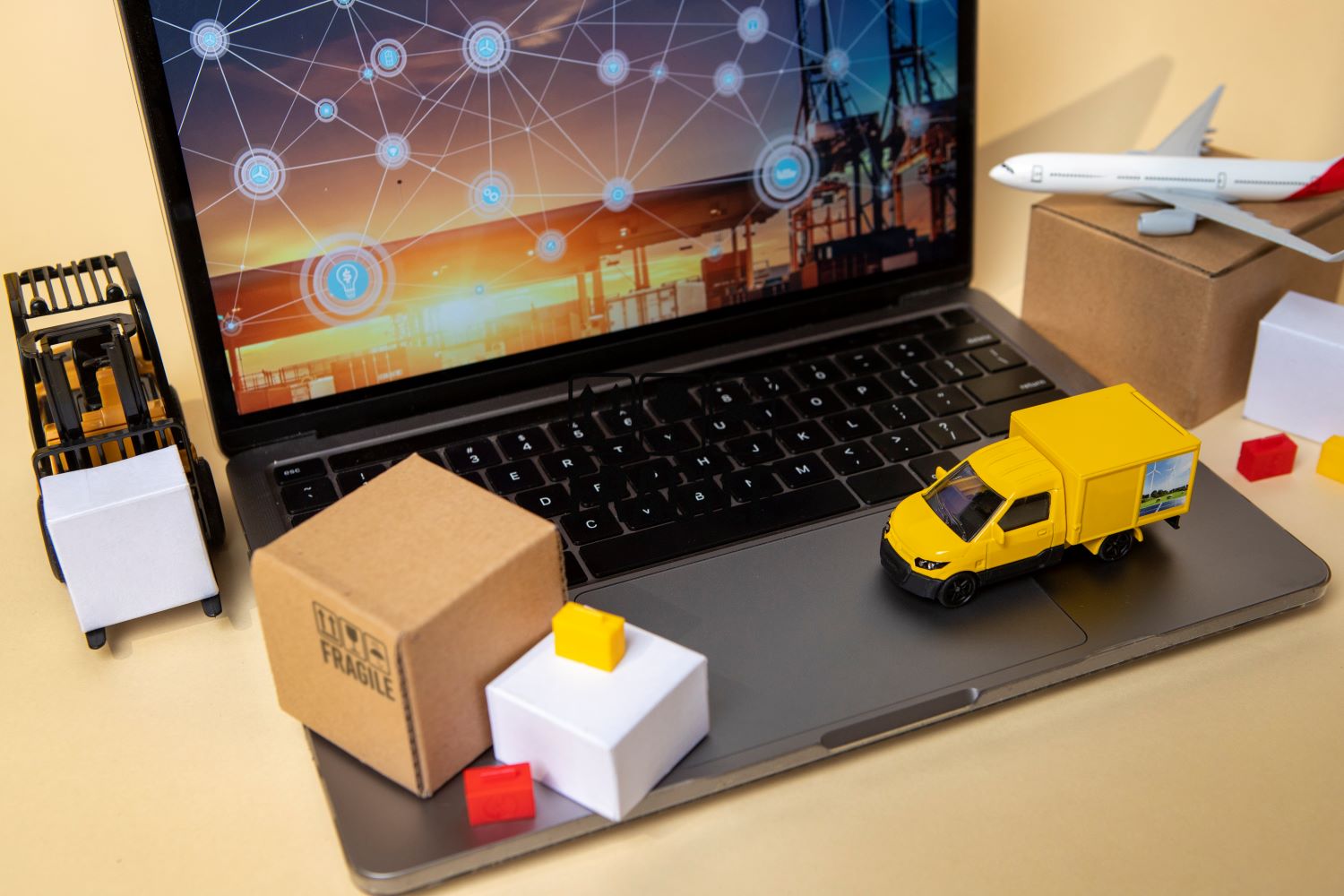
The Rise of Digitalization in E-Commerce
In the modern world, digitalization profoundly affects not only our daily lives but also our business processes. So what kind of innovations does this change offer us in the fields of e-commerce and logistics? With the impact of digitalization, our shopping habits in e-commerce have completely changed. However, this change is not limited to the way we shop.Advantages of Digitalization
Digitalization offers many advantages, from efficiency to fast returns, from cost savings to customer satisfaction. This ensures that customers are served faster and more accurately in e-commerce logistics.Innovative Delivery Methods
Unlike traditional delivery methods, with digitalization, technological innovations such as artificial intelligence and machine learning are making logistics more efficient.The Role of Innovative Methods in E-Commerce
Thanks to innovative delivery methods, customers receive the right products in a much shorter time. This creates a win-win situation for both the seller and the buyer.The Changes Brought by Digitalization
Digitalization has brought revolutionary changes to e-commerce logistics. Thanks to these changes, supply chain management has become more transparent and effective.Technological Tools and Their Effects
With the impact of artificial intelligence, machine learning and other technological tools, logistics processes are managed much more easily and quickly. This both provides cost savings and increases customer satisfaction. Digitalization in logistics, together with innovative delivery methods in e-commerce, has led to a major transformation in the sector. This transformation offers many advantages for both sellers and buyers.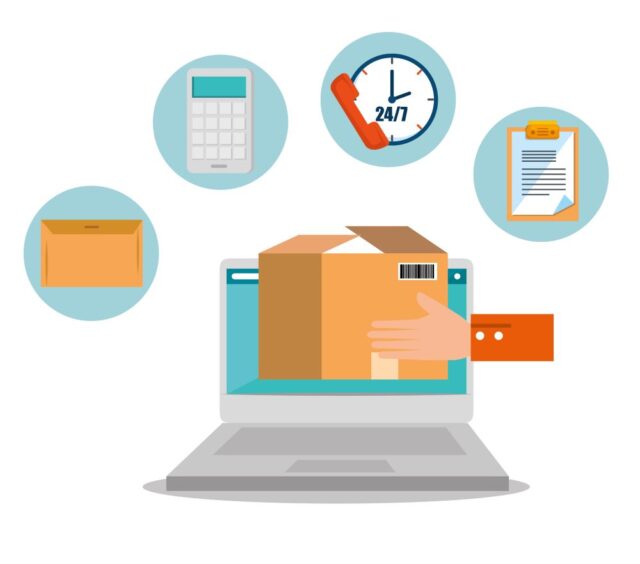
Digitalization and Sustainable Logistics
Digitalization not only increases the efficiency and speed of logistics but also opens the door to sustainable and environmentally friendly methods. Today, environmental responsibility is becoming an increasingly important issue for companies, and the logistics sector is a candidate to be the pioneer of this change.Smart Warehouse Management Systems
Another important contribution of digitalization is smart warehouse management systems. Thanks to cloud-based warehouse management systems, processes such as inventory control, stock tracking and order management can be automated. This not only reduces inventory costs but also speeds up order processes.Digital Payment Methods and Logistics
The rise of digital payment methods in e-commerce also offers new opportunities for the logistics sector. Innovative payment methods such as QR codes, mobile payments and cryptocurrencies further facilitate the delivery process and increase customer satisfaction. Digitalization profoundly affects the e-commerce and logistics sectors and brings many innovations. Thanks to these innovations, customer satisfaction increases while companies can reduce their costs and increase their efficiency. In the future, with the innovations that digitalization will bring, the logistics sector will be carried even further and will attain a sustainable structure.Digitalization in Customer Relations
Digitalization in logistics not only facilitates operational processes; it also reshapes customer relationship management. Virtual assistants and chatbots help companies keep customer satisfaction at the highest level by responding instantly to customer issues. Thanks to these innovations, customer expectations can be met faster and more effectively.Digital Mapping and Route Optimization
One of the most important issues in e-commerce is delivering products to customers on time. Thanks to digital mapping technologies, couriers can choose the fastest and most economical routes. This reduces fuel costs while shortening delivery times, thereby positively affecting the customer experience.Virtual Reality and Logistics in E-Commerce
Virtual reality (VR) technology also makes a difference in logistics. Especially in warehouse management, inventory control and product placement processes can be made more efficient with virtual reality glasses. In addition, customers' shopping experiences can be enriched by providing more detailed information through a virtual representation of products.In conclusion, digitalization is revolutionizing the logistics and e-commerce sectors. Digital solutions are rapidly replacing traditional methods. This change both increases the operational efficiency of businesses and provides the opportunity to offer higher-quality service to customers. In the future, with the opportunities provided by technology, the logistics sector will further expand its boundaries and take the customer experience to higher levels.
Frequently Asked Questions
-
- How does digitalization affect logistics costs? Digitalization can significantly reduce logistics costs through automation and optimization. Cost savings are achieved thanks to optimizations in inventory management, route planning and delivery processes.
- What role does virtual reality play in logistics? Virtual reality, used especially in warehouse management and training processes, helps develop real-time simulations and product placement strategies.
- How much does digitalization increase the speed of logistics processes? By automating manual processes, digitalization can speed up logistics processes by 20-30%, and this rate may vary depending on the sector and the technologies used.
- What advantage does digitalization provide in customer relationship management? Digitalization provides advantages such as responding instantly to customer issues, quickly collecting feedback and offering personalized service.
- Are digital logistics solutions in e-commerce secure? Modern digital logistics solutions are protected by high security protocols. However, as with any technological infrastructure, regular updates and security checks are important.
- Does digital mapping and route optimization provide fuel savings? Yes, thanks to digital mapping, the shortest and most economical routes can be determined. This reduces fuel costs while also helping to lower CO2 emissions.
- How effective are chatbots used in logistics? Chatbots reduce the customer service workload by instantly resolving simple and routine issues. However, human intervention may be required for more complex issues.
- What new business models and opportunities does digitalization create in the logistics sector? Digitalization brings many new business models and opportunities such as the sharing economy, real-time delivery tracking, virtual warehousing and instant capacity management.
- What are the biggest challenges that digitalization brings to the logistics sector? Digital transformation can bring challenges such as data security, high initial investments, training employees and changing some traditional business models.
- What are the main differences between e-commerce logistics and traditional logistics? E-commerce logistics is more dynamic, more responsive to real-time demand changes and generally requires shorter delivery times.
- What value do artificial intelligence applications used in logistics add? Artificial intelligence offers smarter and more efficient solutions in areas such as demand forecasting, route optimization, automated warehouse management and customer service.
- How does digitalization affect sustainability in logistics? Thanks to digitalization, environmental advantages such as more efficient route planning, reduced paper use and energy savings can be achieved.
- What advantages does blockchain technology provide in logistics? Blockchain increases supply chain transparency, prevents fraud and guarantees the accuracy and reliability of transactions.
- ,What is the role of IoT (Internet of Things) applications in logistics? IoT optimizes logistics in many areas such as real-time cargo tracking, temperature control, asset management and inventory management.
- What are the new business opportunities that digitalization creates in the logistics sector? Opportunities such as access to new markets through digital platforms, targeted services through data analytics, drone delivery and more flexible warehouse management through automation are emerging with digitalization.