
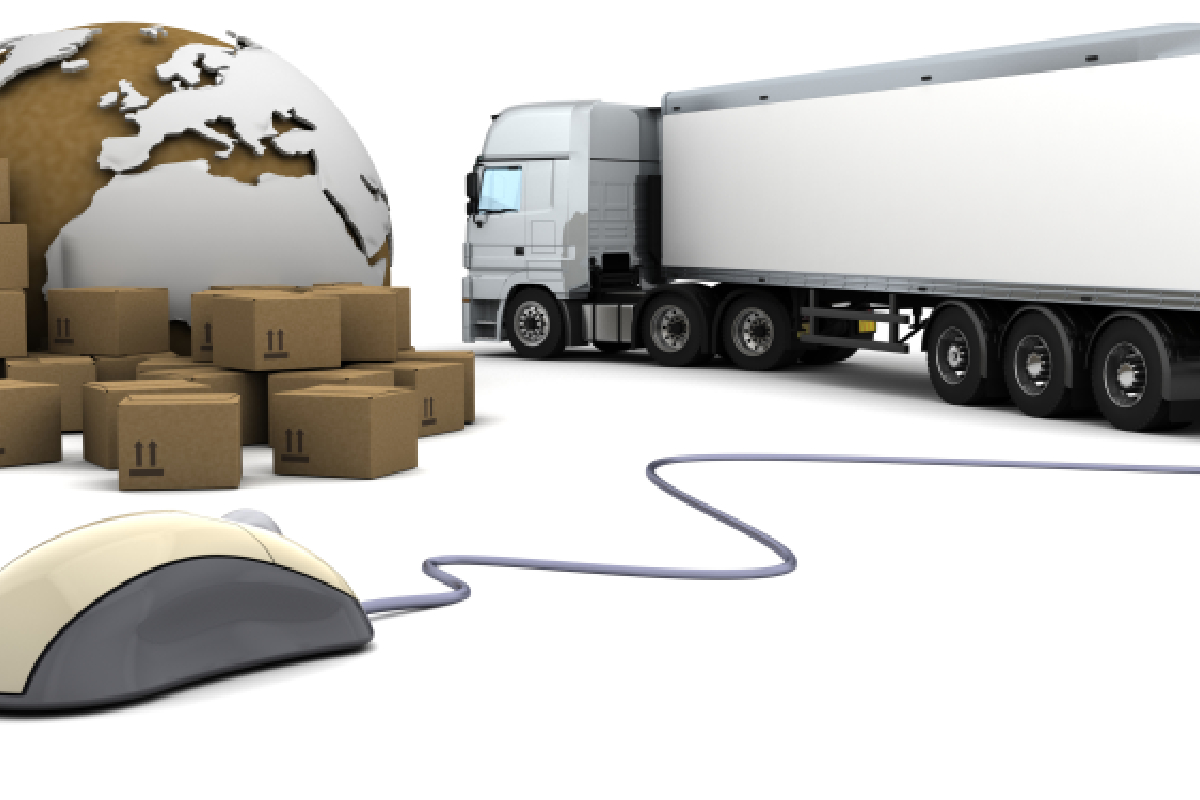
Operational efficiency increases with digital transformation
The use of digital systems for logistics companies ensures that business processes are carried out faster and without errors. Making all stages from order to delivery traceable facilitates management. Corporate logistics As the infrastructure becomes digitalized, the need for manual interventions decreases and human error is minimized. In addition, the fact that all processes are reportable strengthens decision-making mechanisms. This contributes to businesses both reducing costs and increasing customer satisfaction. Thanks to digital solutions, storage, distribution and return processes are organized quickly. Companies that act based on data increase their competitive power. Digitalizing logistics structures also play an important role in achieving sustainability goals.Integration with e-commerce logistics is becoming easier
E-commerce logistics is one of the fastest-growing sectors today and requires full integration with digital systems. Processes such as receiving orders instantly, viewing stock status and tracking deliveries are carried out seamlessly with digital infrastructures. Managing this process with traditional methods has become almost impossible. Corporate logistics The compatibility of logistics companies' systems with each other allows data to be transferred in a synchronized way. In this way, every step throughout the order process is kept under control. Digital integration is a vital need especially for companies engaged in multichannel sales. Without a digital infrastructure, processes such as fast delivery, return management and customer notification cannot be carried out properly.
Traceability is ensured in corporate transportation processes
Corporate transportation Digitalization in services allows shipment tracking to be done instantly. Customers can see where their cargo is in real time. This both reinforces the sense of trust and enables potential delays to be noticed in advance. In addition, traceability is also important for companies in terms of measuring process performance. Data such as which route is more efficient and which vehicle consumes less fuel can be analyzed thanks to digital systems. In line with this information, route planning can be made and transportation processes can be made more effective. Corporate logistics Digitalization in services also provides transparency. This increases customers' loyalty to the company. Traceability is one of the fundamental factors that raise quality in logistics.
The role of digital systems in customer satisfaction
Digital solutions strengthen communication with the customer. Order confirmation, cargo tracking, delivery information and return processes can be transmitted to the customer instantly. This improves the user experience. Corporate logistics These digital infrastructures offered by companies to customers increase their trust in the company. At the same time, they provide the opportunity to intervene instantly in potential problems. Automated messaging systems and self-service panel applications reduce the workload of customer support teams. Customers are more satisfied because they can access the information they want instantly. Thanks to digital systems, businesses provide fast solutions not only in delivery but also in after-sales services. This approach directly affects brand loyalty. Satisfaction is the fundamental building block of logistics success.Strategic decision-making processes with data analysis
One of the greatest contributions of digitalization in logistics is data analytics. Recording, analyzing and reporting all operational processes ensures that future-oriented decisions are made soundly. By using this data, logistics companies can analyze in which regions there is density, which products receive more orders and which transportation methods are more efficient. Corporate logistics These analyses conducted in the field affect new investment decisions. At the same time, operational flexibility is provided according to customer demands. Data-driven decision-making mechanisms contribute to the strategic growth of companies. Today, companies that do not use data effectively face the risk of falling behind in competition. Therefore, the analysis capability offered by digital systems is indispensable.Transition to environmentally friendly practices in logistics
Digital systems ensure not only efficiency but also the spread of environmentally friendly practices. Thanks to smart route planning, lower fuel consumption is achieved. Likewise, digital invoicing systems prevent paper waste. Corporate logistics Within its scope, digitalization also helps companies achieve their sustainability goals. Energy efficiency is increased with in-warehouse automation systems. In addition, carbon emissions generated during transportation can be measured and reduced with digital systems. Environmentally conscious business models also enhance the brand's reputation in the eyes of society. Companies that digitalize provide both environmental and economic benefits. For this reason, the sustainability vision in the logistics sector has become stronger with digital infrastructures.Conclusion
Digitalization in the logistics sector is no longer a choice but a necessity. Corporate logistics and corporate relocation companies that transition to digital systems in this field gain advantages both operationally and strategically. E-commerce logistics digital solutions compatible with it ensure that every step from order to delivery runs flawlessly and efficiently. These systems, which provide many benefits such as traceability, customer satisfaction, data analysis and sustainability, represent the logistics approach of the future. Companies that invest in digitalization both satisfy their customers and use their resources more efficiently. Companies working with next-generation logistics solutions achieve lasting success in the market.Frequently Asked Questions
- Why is corporate logistics turning to digital?
- It is turning to digital for efficiency, traceability and customer satisfaction.
- How does e-commerce logistics develop with digital systems?
- With integrated solutions, order, stock and delivery processes accelerate.
- Does digitalization increase customer satisfaction?
- With information systems, the customer experience improves.
- How is corporate transportation affected by digitalization?
- It provides real-time tracking and increased efficiency.
- Why is data analysis important in logistics?
- It ensures that strategic decisions are supported by data.
- Do digital systems provide sustainability?
- Energy savings and environmentally friendly practices become widespread.
- Does digitalization reduce costs?
- It reduces costs by providing savings in labor and time.
- How is digital integration carried out?
- Compatibility is ensured between logistics software and e-commerce platforms.
- How is data used in corporate logistics?
- Processes are optimized by analyzing operational data.
- Is digitalization permanent in the logistics sector?
- Yes, today's logistics is built on digital systems.