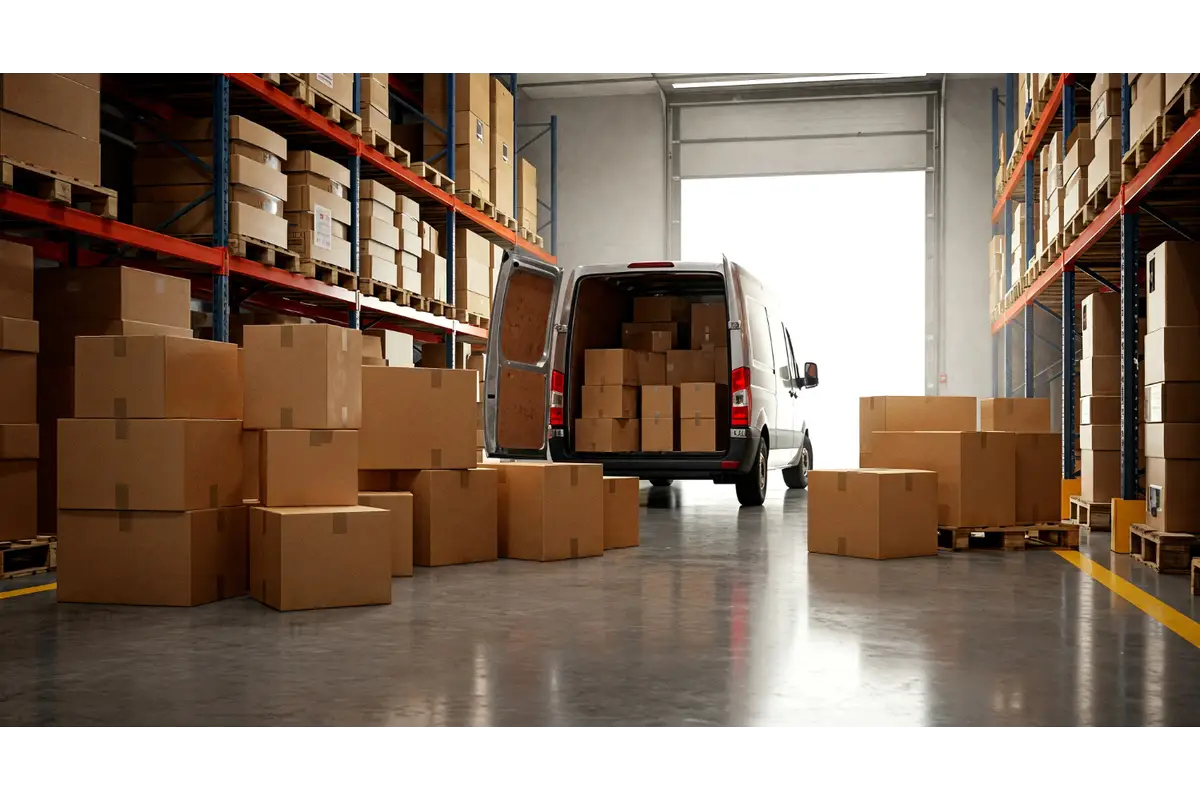
Corporate transportation, is one of the most strategic investment areas in modern supply chain management, directly affecting companies' operational expenses and determining their efficiency rates. Due to increasing competitive conditions and fluctuating energy costs, managing transportation budgets correctly is vital for companies' profitability rates. Next-generation strategies developed within the framework of 2026 smart logistics standards offer ways to achieve maximum cost savings with zero errors in logistics processes.
1. Fuel Savings through AI-Supported Route Optimization
Fuel expenses, which constitute the largest share of logistics budgets, can be significantly reduced thanks to smart software. AI-supported dynamic route planning systems analyze real-time traffic density, weather conditions and road works to determine the shortest route within seconds. This smart technology integration prevents vehicles from running in traffic for unnecessary periods, thereby minimizing carbon emissions and depreciation expenses as well.
Compared to traditional planning methods, these systems, which provide fuel savings of up to 15%, also safeguard delivery times. Offering time management and fuel savings together,
corporate relocation maximizes the efficiency of operations. Digitalization steps make it easier to control budget management with real-time data.
2. Corporate Transportation Consolidated Transportation Solutions in Processes
Failure to operate vehicles at full capacity is one of the most common mistakes that leads to hidden costs in transportation investments. Consolidated transportation, that is, the partial load model, enables loads belonging to different departments or business partners to be combined and carried in the same vehicle. In this way, the unnecessary budget burden created by trucks traveling at half capacity is completely eliminated.
Load consolidation strategies significantly reduce the shipping cost per unit, especially for companies engaged in partial transportation. Companies can optimize their logistics budgets by paying only for the volume they actually carry. Smart load planning algorithms succeed in keeping in-vehicle volume utilization at the maximum level.
3. Preventive Maintenance and Modern Fleet Management
Mechanical failures that may occur during transit in transport vehicles lead to major delays in the supply chain and high repair costs. Modern fleet management systems equipped with IoT (Internet of Things) sensors monitor the condition of vehicle parts in real time and provide warnings before a breakdown occurs. This preventive maintenance model eliminates unplanned downtime and makes operational efficiency uninterrupted.
In addition, new-generation, low-emission and high-suspension modern vehicle fleets both reduce fuel consumption and ensure the safety of sensitive loads being transported. Regularly renewing the vehicles in the fleet balances depreciation and maintenance costs in the long term. Safe and modern fleet management,
corporate relocation is one of the most fundamental criteria that raise their standards.
4. Choosing the Right Supplier and Corporate Transportation Contracts
Long-term collaborations and properly structured logistics contracts are the most lawful and secure method of ensuring cost control. Professional companies should be preferred that not only offer the lowest price but also have a strong technological infrastructure, provide insurance coverage and possess a large vehicle fleet. Including protective clauses in contracts against fluctuations in fuel prices prevents unexpected budget overruns.
Furthermore, by offering annual volume guarantees, it is possible to obtain special discount rates and flexible payment plans from logistics suppliers. Properly structured business partnerships serve as a strong safety valve that prevents supply chain disruptions in times of crisis. With a solid legal and operational infrastructure
corporate relocation contracts guarantee budget predictability.
Comparative Analysis Table of Cost Factors
In the comparison table below, the cost and efficiency differences between non-optimized traditional transportation methods and smart
corporate relocation investments are analyzed:
| Operational Criteria |
Traditional Transportation Methods |
Optimized Corporate Transportation Standards |
| Route Planning |
Classic, non-dynamic routes based on driver experience. |
Determining the shortest and safest route through artificial intelligence route optimization. |
| Vehicle Utilization Rate |
Low volume utilization and inefficient partial planning. |
Full-capacity load consolidation with consolidated transportation solutions. |
| Depreciation and Maintenance |
Costly reactive repairs performed only when a breakdown occurs. |
IoT sensor-supported preventive maintenance and planned parts replacement. |
| Budget Security |
Volatile prices and unexpected additional logistics costs. |
Corporate agreements with fixed-price guarantees and volume discounts. |
Frequently Asked Questions
Question 1: How can a company corporate relocation manage its budget more efficiently?
Answer: Companies can significantly reduce their logistics costs by using AI-supported dynamic route optimization software in their transportation processes and by choosing consolidated transportation (load consolidation) methods. In addition, signing long-term corporate relocation contracts provides budget protection against volatile prices.
Question 2: How do preventive maintenance models affect logistics costs?
Answer: Instant monitoring of vehicle condition with IoT sensors enables mechanical failures to be detected before they occur. This preventive model corporate relocation offers budget savings by completely eliminating unexpected downtime and excessive emergency repair costs in its processes.
Question 3: What are the benefits of the consolidated transportation model corporate relocation for?
Answer: Consolidated transportation combines the loads of different units in the same shipment plan by preventing vehicles from moving at half-load rates. Thanks to this smart method, corporate relocation transportation and depreciation costs per unit load are optimized to the maximum extent in investments.