
The impact of digital tools on planning processes
The success of transportation operations begins with planning, the first step of the process. Corporate transportation Thanks to digital planning tools in their systems, variables such as route, timing and transport capacity are easily brought under control. These tools draw on past data to forecast future volumes and create the most suitable schedule. In this way, delays that may occur during transport are prevented. Digital planning software also optimizes the distribution of tasks among teams. This enables more effective use of personnel resources. Digital analyses carried out during the planning phase reduce the error rate in the other stages of the process. As a result, planning with digital tools accelerates the transportation process while also increasing quality.Process control with real-time tracking systems
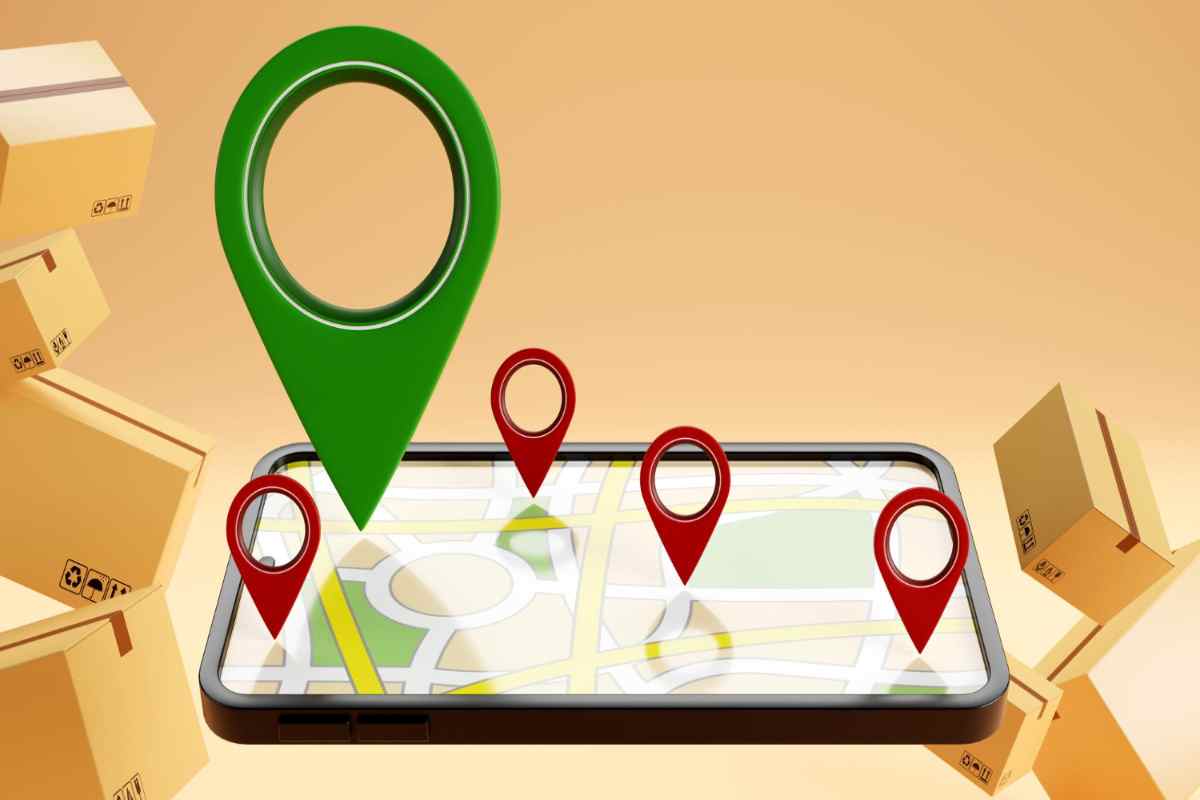
Today, one of the most important components of transportation operations is tracking systems. Monitoring the location of vehicles and products in real time makes process control possible in corporate relocation services. Thanks to real-time tracking systems, deviations that may occur during transport are noticed in advance. This allows alternative solutions to be put into action quickly. In addition, these systems offer the ability to keep customers continuously informed about order status. This transparency strengthens the relationship of trust with the customer. At the same time, managers monitor fleet performance and analyze the efficiency of vehicles. The instantaneous flow of data accelerates decision-making processes. The information security provided by tracking systems is also an important advantage that reduces risks in transportation operations.Digitalization reduces operational errors
Errors made in manually conducted transportation processes cause both loss of time and increased costs. Chief among these errors are incorrect routing, delivery delays and communication breakdowns. With the use of digital systems, such errors are minimized. With order management systems, address verification tools and automated notification systems, the process is kept continuously under control. Corporate transportation thanks to the software used in its services, both customer information and transport routes are recorded in the system without error. Thus, every step is carried out with its accuracy confirmed. In addition, digitalization also increases coordination among employees. Since everyone can access information through the same system, communication is established more effectively.The role of digitalization in customer satisfaction
In transport processes, the customer's expectation is not only that the product arrives, but that this process is carried out securely and transparently. Digital tools offer significant opportunities to meet this expectation. Delivery time information, the information of the person receiving the delivery, and possible delay situations are regularly notified to the customer. In this way, the customer's trust in the logistics process increases. In addition, customer experience is measured through digital surveys and feedback systems. Corporate transportation customer relations supported by digital systems in their structures strengthen loyalty. This service quality provided by technology creates a strong difference against competitor companies. Customer satisfaction is directly related to the speed and accuracy offered by digital systems.Process improvement through digital data analysis
One of the greatest advantages provided by digitalization is the ability to collect and analyze data. Every transport operation is recorded through the system, enabling performance measurement. This data includes critical information such as transport time, reasons for delays, fuel consumption, and delivery accuracy. Corporate transportation thanks to these analyses, companies can identify weak points in the process. Clear answers can be obtained to questions such as which route is more efficient and in which time period more delays occur. Data-driven decisions increase companies' competitiveness. In addition, improvements made in line with the analyses support continuous development. Data analysis is the key for the logistics process to achieve sustainable quality.Resource use is optimized with digital systems
Digitalization ensures more efficient use of the resources used in the transport process. Planned use of vehicles, full utilization of transport capacity, and balanced distribution of the workforce are parts of this process. Thanks to digital planning systems, it is known in advance which vehicle will be needed and when. This prevents unnecessary fuel consumption and loss of time. Corporate transportation digital tools in its processes reduce unnecessary shipments. It also ensures efficiency in workforce planning. During peak periods, additional personnel needs are determined based on data from the system. This lowers costs while maintaining service quality. Thanks to digital systems, all resources are shaped according to needs and waste is prevented.Conclusion
Corporate transportation the power of digitalization in the field makes it possible to offer safer, faster and error-free operations by influencing every stage of logistics processes. When elements such as planning, tracking, analysis, customer communication and resource management are supported by digital tools, the process gains an integrated structure. This structure both provides cost advantages and increases customer satisfaction. Transportation services strengthened by digital systems contribute to sustainable growth while increasing competitiveness in the sector. Digital transformation in processes is not just a trend, but an indispensable element of the modern logistics approach. Companies that keep up with this transformation have already reached the transportation solutions of the future today.
Frequently Asked Questions
- How does digitalization affect corporate transportation?
- It accelerates processes, reduces error rates and increases customer satisfaction.
- Why is real-time tracking important?
- Shipment status can be monitored instantly and the process becomes transparent.
- What do planning tools provide?
- They increase transportation efficiency by facilitating time and route management.
- Why is data analysis necessary in logistics?
- Process performance is measured and improvement opportunities emerge.
- How does digitalization contribute to customer satisfaction?
- Information and feedback systems increase customer trust.
- How is resource planning done with digital systems?
- Vehicle, personnel and time planning are done in line with data.
- Do costs decrease with digitalization?
- They decrease through efficient use of resources and process optimization.
- Are digital tracking systems secure?
- Data is stored and used securely by being encrypted.
- Do operational errors decrease with digitalization?
- Automation systems significantly reduce error rates.
- Does digitalization provide sustainable logistics?
- It ensures sustainability through long-term increases in quality and efficiency.