
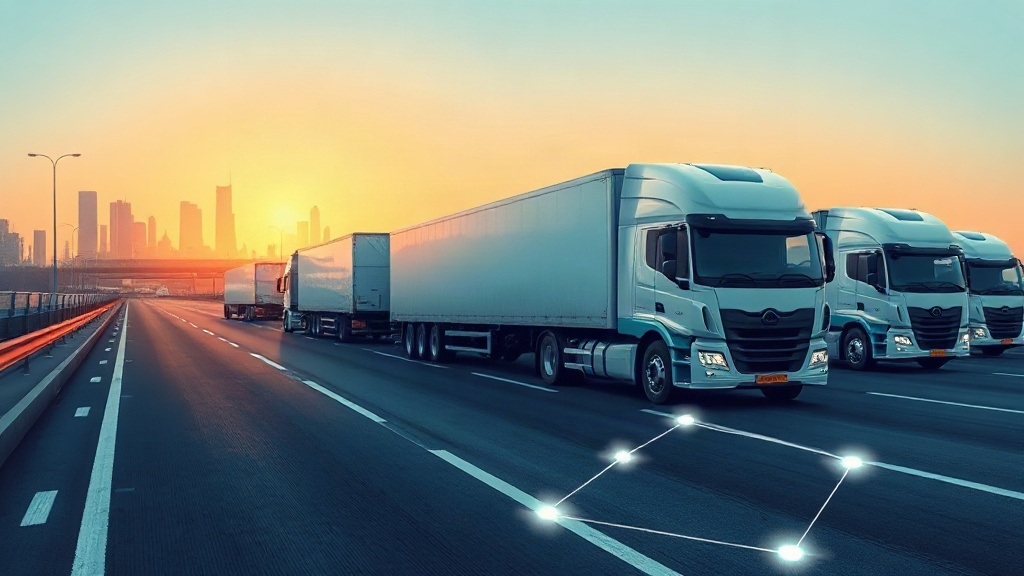
Competition in the logistics sector is increasing with each passing day. In particular corporate relocation for companies operating in the field, efficiency has become the key to profitability and sustainable growth. So, how can you make your operations more efficient? In this article, I share 7 golden rules that have been tested in the field and have delivered results. Each one was prepared with inspiration from real workflows and contains actionable details.
1. Plan Routes with Smart Systems
Inefficient route planning increases fuel consumption and extends delivery times. Today, GPS-based fleet management systems analyze traffic density and road conditions to determine the most suitable route. For example, a company operating in a city with heavy traffic such as Istanbul corporate relocation can reduce its monthly fuel costs by up to 15 percent thanks to route optimization. These systems also track drivers' real-time location, enabling you to take rapid action against unexpected delays. Remember, every minute saved turns into customer satisfaction.
2. Make Vehicle Maintenance Periodic
An unmaintained vehicle increases the risk of breakdowns and disrupts your operations. Corporate transportation Establishing a periodic maintenance schedule for your fleet minimizes delays caused by breakdowns. Regularly check critical items such as tire pressures, brake systems, and engine oil. In addition, track the average age of your vehicles and plan for renewal. New-generation vehicles offer the advantages of fuel efficiency and low emissions. A late delivery to a customer puts at risk not only that order but also the long-term business relationship.
3. Invest in Driver Training
Your drivers are the front line of your operations. Provide them with training not only in driving skills but also in fuel-efficient driving techniques, safe driving, and customer communication. A trained driver avoids behaviors that waste fuel, such as aggressive acceleration and sudden braking. They also reinforce your company's image by displaying a professional attitude during deliveries. Corporate transportation As a company providing this service, remember that your drivers are brand ambassadors. Regular feedback meetings and reward systems increase motivation.
4. Take Load Optimization Seriously
Filling your trucks or vans to full capacity reduces the transport cost per unit. For load optimization, plan the in-vehicle volume and weight distribution correctly. Consolidate the loads of different customers going to the same route. This both saves fuel and reduces your carbon footprint. For example, in an corporate relocation operation, instead of making two separate trips with a half-full vehicle, you can achieve a cost advantage of up to 30 percent with a single consolidated trip. During loading, pay attention to the center of gravity to maintain vehicle balance and increase safety.
5. Use Digital Tracking and Reporting
Take advantage of digital tools to make your operations transparent. Thanks to transport management systems (TMS), collect order statuses, vehicle locations and proof of delivery on a single platform. This both enables you to provide instant information to customers and facilitates internal audits. Monitor performance metrics with weekly reports: such as average delivery time, delay rate, fuel consumption. Making data-driven decisions is corporate relocation the key to continuously improving your processes. Build trust with the online tracking link you offer to your customers and reduce the call center workload.
6. Manage Customer Communication Proactively
Delivery delays may be inevitable; however, even in this case, maintaining customer satisfaction is in your hands. Notify in advance that a delay will occur and offer alternative solutions. Proactive communication increases the customer's trust in you. In addition, collect feedback through short surveys before and after delivery. This feedback is invaluable for improving your service quality. Corporate transportation customers generally make long-term contracts; therefore, every interaction determines the future of the relationship. A good communication strategy prevents customer loss and enables you to become a reference.
7. Adopt Sustainability Practices
Today, many companies aim to reduce environmental impact in their supply chain. Corporate transportation Incorporating sustainable practices into your operations benefits both the planet and your business. Switching to electric or hybrid vehicles reduces fuel costs in the long term. In addition, using recyclable packaging materials and being diligent about waste management strengthens your brand image. Many large companies prefer logistics partners that meet sustainability criteria. Therefore, by offering green logistics solutions, you can stand out from the competition.
FAQ: Frequently Asked Questions About Corporate Transportation
Which software should be used to increase efficiency in corporate transportation?
Transportation management systems (TMS), route optimization tools and fleet tracking software are the most widely used. These systems analyze operational data to facilitate decision-making. For example, with a TMS you can automatically assign orders, reduce empty kilometers and automate customer notifications. For a small-scale corporate relocation business, affordable cloud-based solutions are available.
What is the most effective method for reducing fuel costs?
The most effective way to reduce fuel costs is a combination of driver training and route optimization. Drivers complying with speed limits and avoiding sudden acceleration and braking significantly reduces fuel consumption. In addition, regular checks of tire pressures and preserving the aerodynamic structure of vehicles are also important. In a corporate relocation fleet, these practices can deliver savings of 10-15 percent per year.
How can I increase customer satisfaction in corporate transportation?
Transparency and reliability are essential to increasing customer satisfaction. Provide customers with a real-time tracking link, notify them before delivery, and proactively get in touch in the event of any delay. In addition, request feedback by sending a short satisfaction survey after delivery. Corporate transportation companies that receive the service appreciate the rapid resolution of problems and the ability to plan flexibly.
Is the transition to electric vehicles sensible for corporate transportation?
The transition to electric vehicles reduces fuel and maintenance costs in the long term; however, the initial investment is high. Electric vehicles are highly efficient in urban distribution operations where the charging infrastructure is adequate. In addition, thanks to the environmentally friendly image, you can become the preferred choice of corporate customers. As a corporate relocation company, you can reduce risks by making a gradual transition plan.
How can a small-scale transportation company compete?
Small-scale companies can take advantage of flexibility and personalized service. You can make a difference with special solutions that large companies do not offer, urgent delivery options, and close customer relationships. In addition, you can increase operational efficiency by using digital tools at low cost. Corporate transportation focusing on a niche area in the market, for example a specific sector or region, provides a competitive advantage.